
Long queues are often intuitively perceived as a “good sign” of popularity, but in reality they are a costly financial trap. In today’s fast-paced market, every extra minute of waiting means lost customers due to queue, especially in quick service restaurants. This is why a modern restaurant queue management system is no longer optional—it is a core customer retention strategy.
By combining queue management for quick service with kiosk ordering solutions, mobile ordering for QSR, and smart traffic peak management, restaurants can reduce wait times, improve customer flow optimization, and fully unlock the self-ordering kiosk benefits. In an era where waiting equals abandonment, only technology-driven queue management protects revenue and loyalty.
In this article, you will learn:
- Why implementing a restaurant queue management system is essential for customer retention and operational efficiency.
- The specific financial and psychological reasons why long queues are "bad for your business" (the cost of lost customers).
- How self-ordering technologies (Kiosks and mobile apps) serve as the most effective queue management system.
- The operational benefits of these systems, including improved staff morale and accurate demand forecasting.
- How to use technology to transform peak-hour traffic from chaos into a streamlined ordering process.
The Financial Cost of Queues (Lost Customers)
Research consistently shows that customer patience is limited. In quick service environments, most guests are only willing to wait a few minutes before frustration sets in. When perceived wait times increase—especially during traffic peak management periods—the risk of lost customers due to queue rises sharply. In practice, a long line often signals inefficiency rather than popularity, pushing customers to abandon the visit altogether.
The real cost of queues goes far beyond a single missed transaction. A customer who leaves the line rarely comes back the same day, and often does not return at all. This makes queues a direct threat to long-term revenue and customer retention strategy. Each abandoned order represents not only a lost receipt, but also lost lifetime value (LTV), referrals, and brand trust.
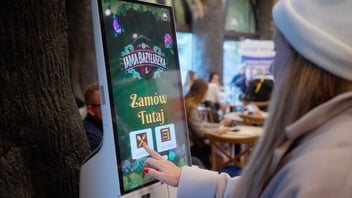
Modern queue management for quick service focuses on reducing friction before customers disengage. Tools such as kiosk ordering solutions and mobile ordering for QSR allow guests to bypass physical lines, significantly reduce wait times in restaurants, and improve customer flow optimization. These self-ordering kiosk benefits are especially critical during peak hours, when demand is highest and tolerance for waiting is lowest.
Ultimately, investing in technology that actively manages queues is not about convenience alone—it is about protecting revenue. By minimizing wait times and giving customers control over how they order, restaurants can turn moments of potential abandonment into seamless, high-conversion experiences.
The Psychological Impact of Waiting
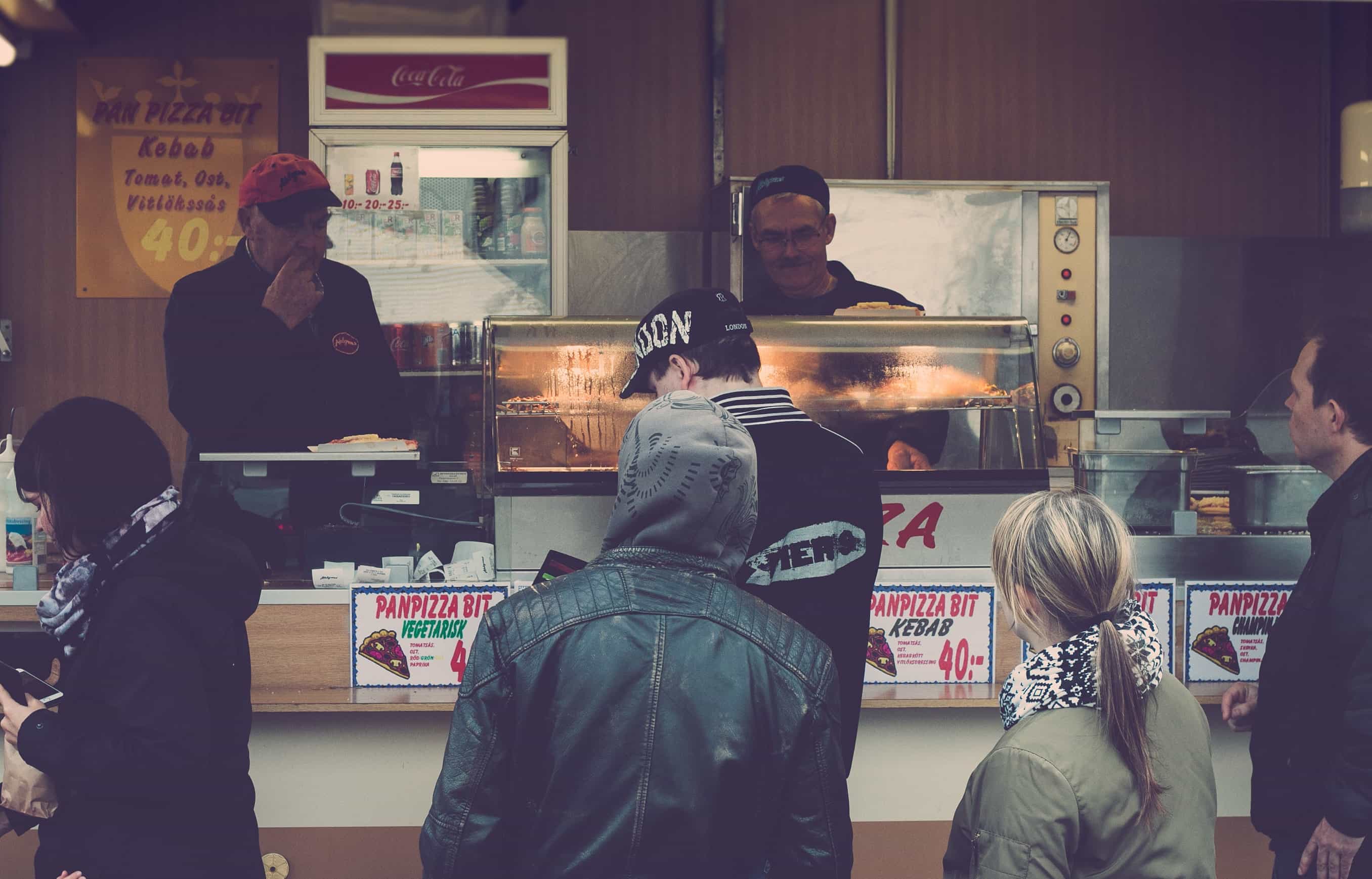
Waiting in line is not just an operational issue—it has a measurable psychological impact on both customers and staff. Long queues increase stress levels, reduce patience, and negatively affect mood, which directly influences the perceived quality of service. For employees, constant pressure during peak hours leads to fatigue and errors, making effective queue management for quick service essential to maintaining consistent service standards.
From the customer’s perspective, time spent waiting is psychologically “longer” than actual clock time. When guests are standing idle in a line, they feel a lack of control, which amplifies frustration and raises the likelihood of lost customers due to queue. This distorted perception means that even short delays can feel unacceptable, especially in environments where speed and convenience are expected.
Technologies designed to reduce wait times in restaurants help address this challenge by shifting customers from passive waiting to active engagement. Kiosk ordering solutions and mobile ordering for QSR allow guests to place orders at their own pace, improving customer flow optimization and easing pressure during traffic peak management periods. These self-ordering kiosk benefits not only shorten perceived wait times but also improve the overall experience for both customers and staff.
By minimizing stress and giving customers a sense of control, modern queue solutions support a stronger customer retention strategy—proving that managing perception is just as important as managing time.
Solution: Self-Ordering as a Restaurant Queue Management System
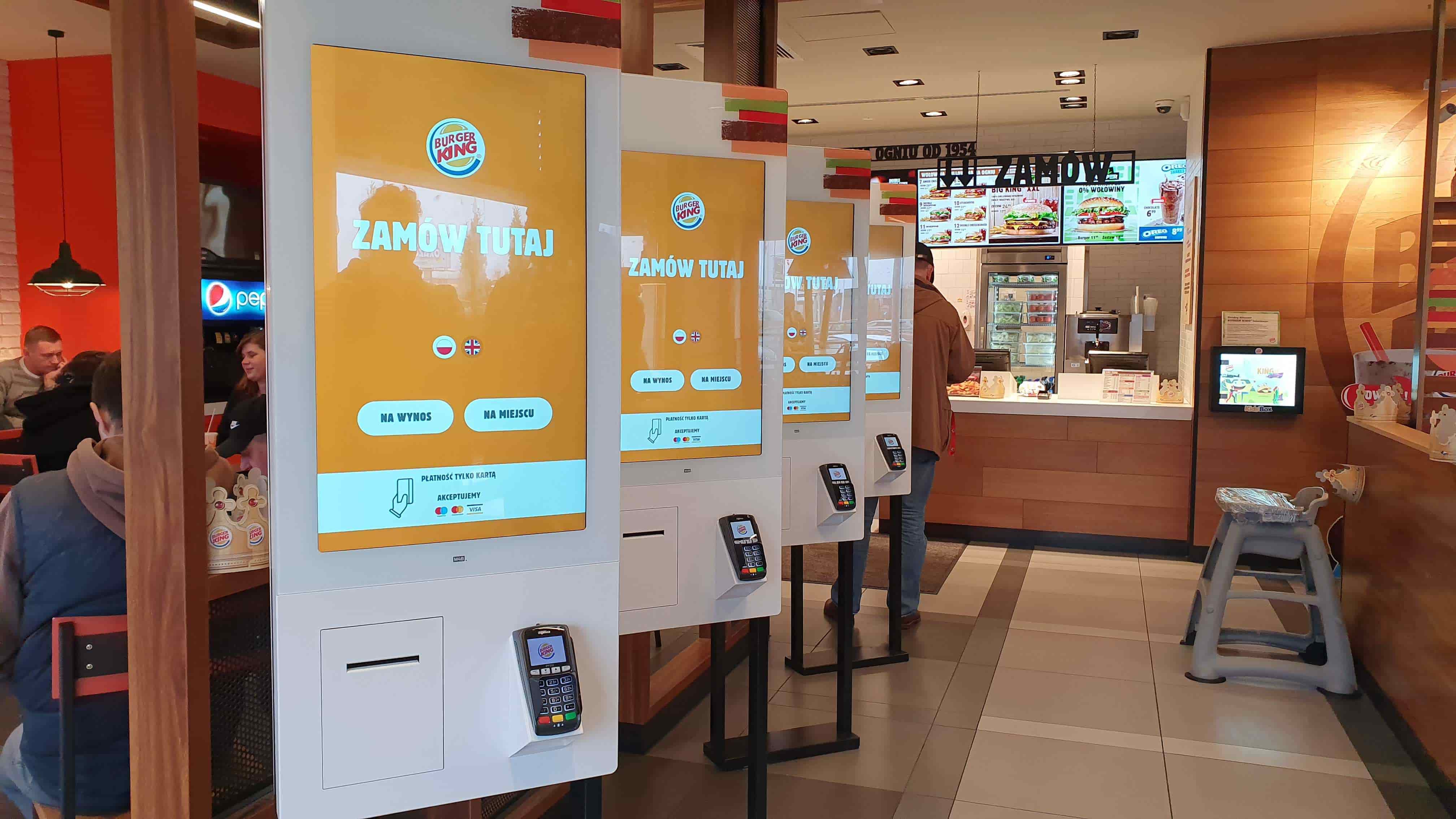
Self-ordering technologies fundamentally change how queues function in a restaurant environment. Instead of a single, linear line at the counter, kiosks and mobile ordering transform waiting into parallel order processing. As a result, the restaurant queue management system no longer depends on how fast one cashier can work, but on how efficiently multiple customers can place orders at the same time.
This shift is especially powerful for queue management for quick service, where speed and volume are critical. With kiosk ordering solutions and mobile ordering for QSR, customers can order independently, reducing bottlenecks at the point of sale and significantly helping to reduce wait times in restaurants. During traffic peak management periods, this parallel flow prevents lines from escalating and keeps service moving smoothly.
From an operational standpoint, the system increases throughput without increasing labor costs. A single staff member can oversee several self-ordering kiosks, while orders are routed directly to the kitchen. These self-ordering kiosk benefits enable true customer flow optimization—serving more guests per hour without adding more cashiers.
By eliminating the limitations of traditional checkout lines, self-ordering becomes a scalable customer retention strategy. Faster service, lower stress, and consistent performance all combine to reduce lost customers due to queue and turn peak demand into a competitive advantage.
Operational Benefits of Queue Management Technology
A modern restaurant queue management system is built to operate at full capacity exactly when demand is highest. Effective traffic peak management ensures that long lines do not form even during rush hours, as multiple customers can order at the same time instead of waiting in a single queue. This approach to queue management for quick service significantly helps reduce wait times in restaurants and minimizes the risk of lost customers due to queue.
In addition to operational stability, self-ordering directly drives revenue growth. Kiosk ordering solutions are immune to pressure, fatigue, or social discomfort, which makes them highly effective at upselling. By consistently suggesting add-ons and upgrades, they increase the average transaction value (ATV) and fully leverage the self-ordering kiosk benefits. Combined with mobile ordering for QSR, this creates a seamless ordering experience that boosts sales without slowing down service.
Queue management technology also enables smarter use of staff. When employees are no longer focused on taking orders, they can dedicate their time to fulfillment, accuracy, and customer care. This improves customer flow optimization, reduces operational errors, and strengthens the overall customer retention strategy.
By aligning speed, scalability, and sales, a technology-driven queue solution transforms peak traffic from a risk into a competitive advantage.
Conclusion
Investing in a restaurant queue management system is ultimately an investment in a restaurant’s ability to perform at peak demand. In an environment where speed, convenience, and experience define success, effective queue management for quick service protects revenue by reducing wait times, preventing lost customers due to queue, and ensuring smooth operations during traffic peak management.
By combining kiosk ordering solutions with mobile ordering for QSR, restaurants unlock self-ordering kiosk benefits that improve customer flow optimization, increase average transaction value, and support a long-term customer retention strategy. Instead of struggling with lines and staffing constraints, businesses gain a scalable system that turns high traffic into higher performance.