
What is a Kiosk? Complete HoReCa Guide to Digital Self-Ordering
Digital kiosks are creating a buzz as a new channel in the HoReCa industry, especially in restaurants and cafés. But what is a kiosk, and how can businesses benefit from it? A kiosk is emerging as a new, indispensable channel in the omnichannel world, reshaping how brands interact with customers and streamline service.
In this article, you will learn:
- What is the simple definition of what is a kiosk and how this device operates in the HoReCa context.
- How interactive kiosks help manage traffic during peak hours (Traffic peak management).
- How kiosks use e-commerce psychology to increase sales (Smarter cross- and up-selling).
- Why kiosks ensure a better customer experience and cater to the needs of younger generations.
- How this digital tool gathers valuable data and supports offer personalization in gastronomy.
What is a Digital Kiosk in a Restaurant Context?
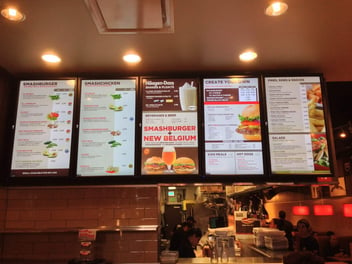
A digital kiosk in a restaurant is a self-service device equipped with an interactive touchscreen ordering interface that allows guests to browse the menu, customize items, and place orders independently. In smaller venues this can be as simple as a tablet with a tailored ordering app, while busy HoReCa environments often rely on larger, standalone kiosks designed for smoother kiosk UI/UX and faster service during peak hours. These systems commonly integrate payment options and kitchen workflows, giving customers greater autonomy and helping restaurants manage high traffic more efficiently. By offering features such as cross-selling technology or basic data analytics for kiosks, digital kiosks are becoming an essential component of modern HoReCa technology.
Traffic Peak Management
In high-traffic locations such as airports or transport hubs, restaurants depend on steady footfall but also experience predictable rush hours that can overwhelm staff. Instead of overstaffing to handle traffic peaks or risking lost revenue during understaffed periods, operators can rely on a self-ordering kiosk to manage the surge more effectively. A digital kiosk works tirelessly – it handles peak traffic without fatigue, supporting cashiers during the busiest moments and maintaining service quality even when customer numbers spike.
Studies such as the Tillster Self-Service Kiosk Index show that many guests prefer to use interactive touchscreen ordering when faced with long queues, and adoption grows significantly as wait times increase. By offering this additional ordering channel, restaurants reduce pressure on staff and improve flow at the counter.
Ultimately, the combination of an optimal staffing level with the consistent efficiency of a digital kiosk results in smoother operations and virtually no queues, reinforcing the value of modern HoReCa technology in high-demand environments.
Smarter cross- and up-selling
Modern digital kiosk restaurant systems make it possible to go far beyond the classic “would you like fries with that?” By working without fatigue or emotional pressure, a kiosk consistently delivers a calm, optimized customer autonomy experience that encourages guests to explore more options at their own pace. Thanks to built-in cross-selling technology, algorithms can suggest relevant add-ons that naturally increase the order value—leveraging the psychology of a no-pressure environment.
Time-limited offers, visually engaging buttons, and subtle last-chance reminders all stem from proven e-commerce UI/UX patterns. In fact, the kiosk becomes a bridge between online purchasing behavior and offline dining: it brings the best practices of e-commerce into the physical HoReCa space. Combined with data analytics for kiosks, restaurants can fine-tune which recommendations drive results, creating an endlessly adaptable upselling engine.
Better Customer Experience
As an interactive touchscreen ordering device, the digital kiosk brings proven kiosk UI/UX practices straight from the online world into the restaurant environment. The digital menu allows guests to browse calmly, without the time pressure often felt in front of a cashier. Customers can look through images, compare portions, or check ingredients at their own pace — a level of customer autonomy that meaningfully enhances decision-making.
For younger generations, accustomed to smartphones (with adoption reaching as high as 96% among adults aged 18–29), interacting with a touchscreen feels completely natural. This familiarity also helps reduce social anxiety or shyness some customers experience when ordering face to face. At the same time, older guests appreciate the kiosk’s large, readable display and structured menu layout, making the experience more accessible than many traditional ordering setups.
In this way, a well-designed digital kiosk restaurant solution elevates customer service for all age groups, creating a smoother, more comfortable ordering journey across the entire HoReCa audience.
Data Gathering and Personalization
In a modern digital kiosk restaurant environment, even the most attentive employee cannot track customer behavior with the precision of a machine. A self-ordering kiosk records every click and interaction — measuring conversion rates for specific products, tracking how often promotions are opened versus how often they generate a purchase, and identifying which offers truly resonate with guests. This level of insight reveals not only what customers choose, but also what influences their decision.
When these analytics connect with loyalty platforms, the kiosk becomes a powerful personalization engine. It learns individual preferences, recommends add-ons more effectively, and helps restaurants refine their promotional strategy based on real data rather than guesswork. As a result, both loyalty and revenue grow — driven by smarter promotions, higher conversion, and a more tailored customer experience powered by modern HoReCa technology.
Conclusion
In today’s restaurant landscape, what is a kiosk goes far beyond simply taking orders — it’s a multifunctional engine that supports staff efficiency, enhances the guest experience, and drives measurable business results. With the Ordering Stack platform, self-ordering kiosks don’t just automate orders; they integrate seamlessly with your POS system, loyalty programs, and digital operations to deliver smooth omnichannel service across touchpoints like kiosks, mobile, and web. Ordering Stack kiosks track every interaction and conversion rate, support intuitive kiosk UI/UX, and unlock data that helps restaurants tailor promotions and refine upselling strategies — boosting average check values and overall profitability. Ordering Stack’s real-world deployments show how powerful this integration can be for restaurant chains looking to modernize while maintaining operational simplicity.
Contact us to learn how to implement Ordering Stack in your restaurant.