
Omnichannel has shifted from a vague ambition to a practical model shaping how modern restaurants operate. As consumers seamlessly switch devices and expect real-time support across every touchpoint, HoReCa faces growing pressure to provide a truly unified customer experience. Even though you can’t eat online, guests still demand a seamless ordering flow supported by coherent restaurant channel integration.
For today’s operators, this means rethinking the entire ecosystem—from treating the POS as an omnichannel hub, to building a scalable restaurant tech stack strategy, ensuring clear customer data ownership in restaurants, and understanding the real difference between omnichannel vs multichannel approaches. In this environment, only a well-implemented omnichannel strategy can guarantee consistency and operational efficiency.
In this article, you will learn:
- The core principles of an effective omnichannel strategy specifically designed for the HoReCa industry.
- Why the omnichannel restaurant solution is necessary to meet modern customer expectations.
- Where to start: why POS system integration is the necessary first step for any successful omnichannel strategy.
- The critical role of unified data (customer ownership) in driving your long-term omnichannel strategy.
- Essential steps to avoid common pitfalls during the implementation phase of your omnichannel restaurant solution.
Defining Your Omnichannel Strategy (Integration vs. Multichannel)
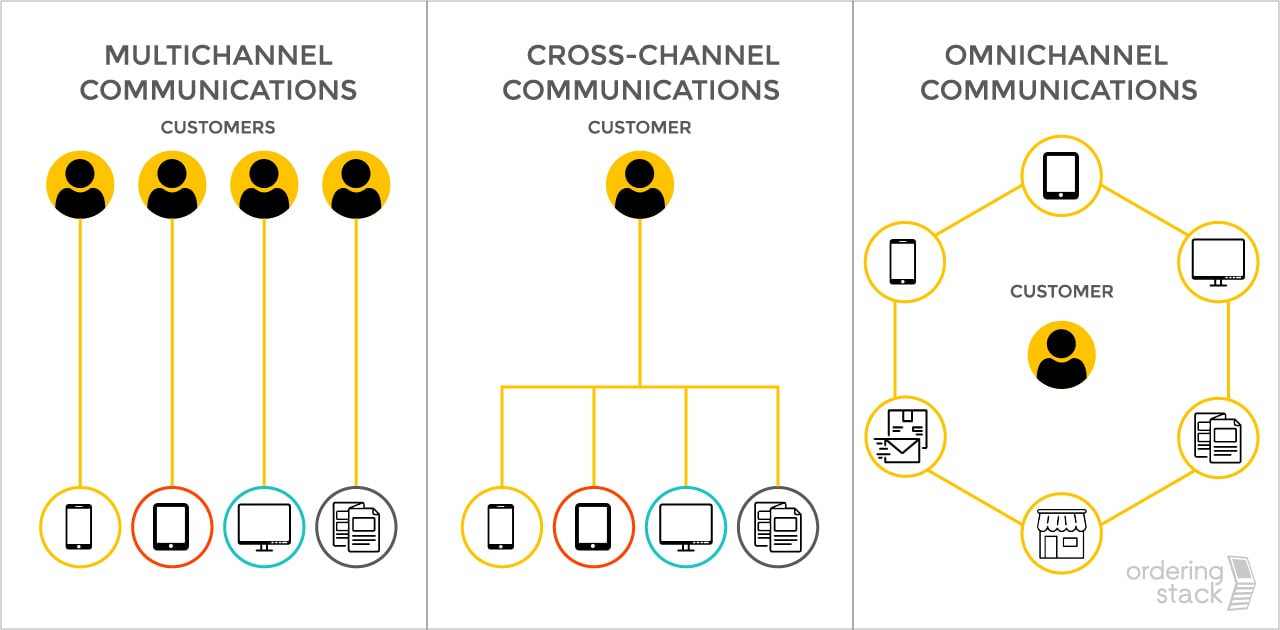
The evolution of restaurant channels—from offline service, to phone orders, to web and mobile touchpoints—has often resulted in organisations simply adding new layers without connecting them. This creates a multichannel setup: many parallel channels, each managed separately, each holding its own data. While easy to operate, this model leads to fragmented experiences, forcing customers to repeat information, encounter inconsistent offers, or navigate confusing internal competition between sales teams. In practice, disconnected channels undermine both efficiency and the unified customer experience HoReCa brands aim to deliver.
Omnichannel, however, is defined precisely by integration. Instead of isolated touchpoints, all interactions flow into a centralised system—often a CRM or a POS as the omnichannel hub—enabling true restaurant channel integration. This gives the company full visibility and customer data ownership in restaurants, allowing any staff member to support the guest regardless of whether they order in person, via mobile, or through delivery platforms. The result is a coherent, seamless ordering flow powered by a deliberate restaurant tech stack strategy rather than a patchwork of separate tools.
In short, integration is what separates omnichannel from having many channels. Where multichannel multiplies complexity, a structured omnichannel strategy unifies operations and strengthens marketing, service consistency, and long-term customer loyalty—an essential difference for any modern HoReCa business navigating the omnichannel vs multichannel restaurant landscape.
The Cornerstone – POS as the Hub of Your Omnichannel Strategy
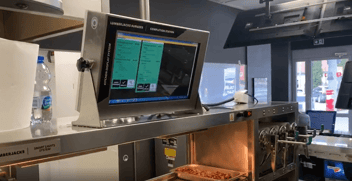
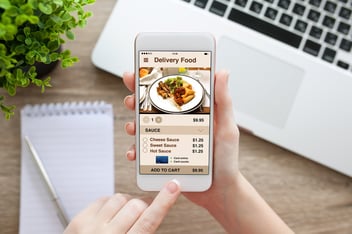
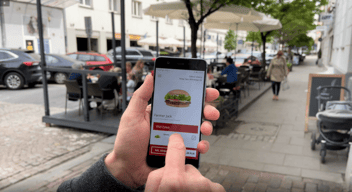
To deliver a truly omnichannel restaurant solution, a restaurant’s POS must be the first element of integration, because it functions as the central hub where all customer interactions and operational data converge. In practice, systems like Ordering Stack integrate digital touchpoints—mobile ordering and web ordering, self-service kiosks, and third-party aggregators—directly with the existing POS, ensuring that product definitions, pricing, and orders flow seamlessly into the same platform that handles in-house transactions.
This restaurant channel integration eliminates data silos and enables a seamless ordering flow across web, mobile, and physical touchpoints, transforming the POS from a standalone register into a strategic core of the restaurant tech stack strategy. Choosing a modern, integrative POS not only maximizes customer data ownership in restaurants but also supports loyalty and marketing efforts while maintaining consistency across all channels—highlighting how the POS as omnichannel hub is foundational to effective omnichannel vs multichannel restaurant operations.
Expanding Channels with the Omnichannel Strategy
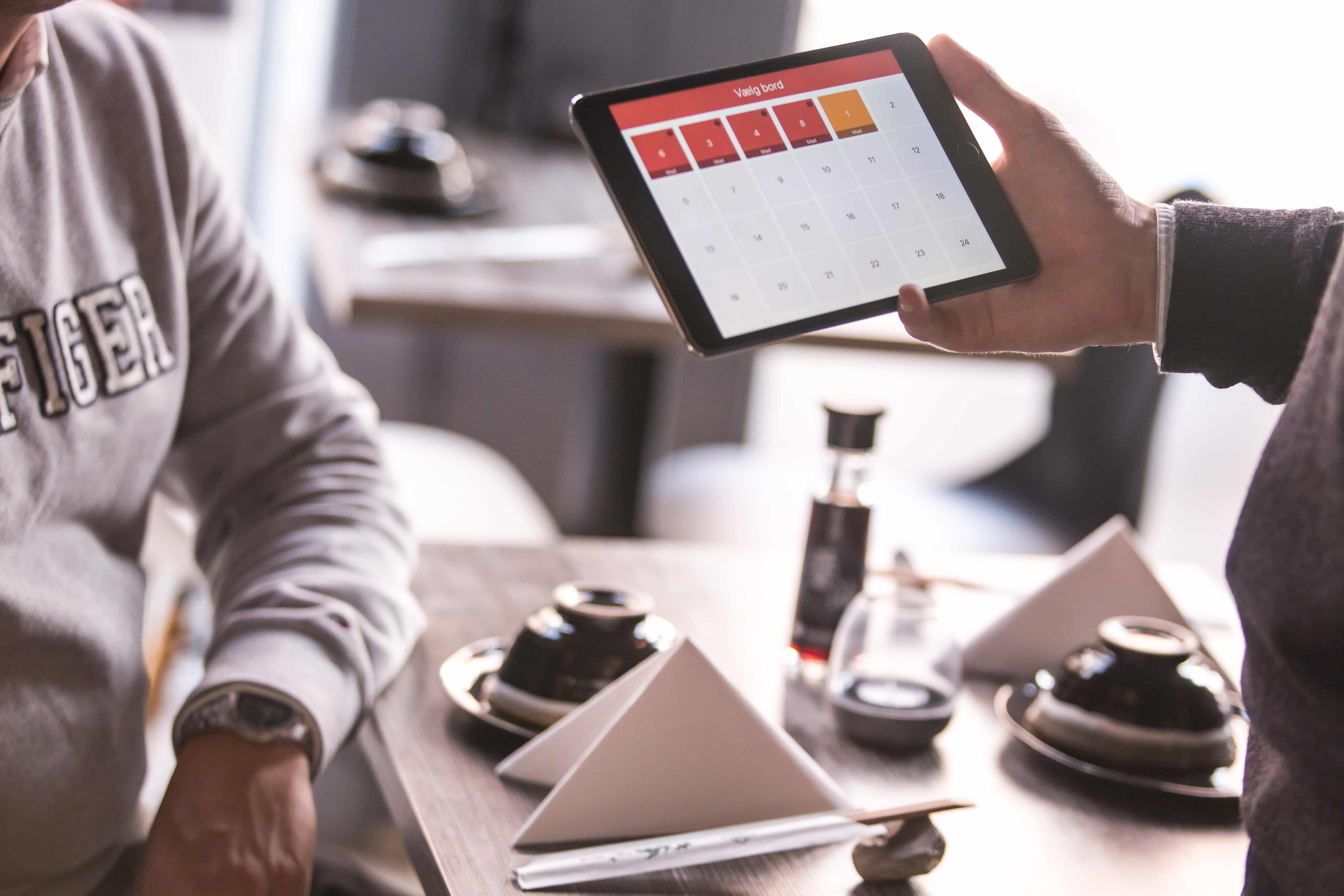
Expanding channels within an omnichannel strategy requires a clear roadmap that gradually strengthens both digital and in-restaurant touchpoints. Phase A begins with launching owned online ordering channels—Web and Mobile—allowing restaurants to establish direct relationships with guests, streamline customer data ownership in restaurants, and reduce dependency on third-party platforms. This stage lays the groundwork for effective restaurant channel integration, ensuring that all digital orders follow a consistent, seamless ordering flow. By anchoring these channels in a modern POS as the omnichannel hub, restaurants gain the ability to manage menus, pricing, and promotions centrally—creating the first layer of a scalable restaurant tech stack strategy.
Phase B expands the experience into the physical space with self-service kiosks, extending digital convenience to on-site customers and strengthening operational efficiency. When kiosks operate through the same integrated ecosystem, they mirror the online experience and eliminate the inconsistencies typical of multichannel setups. Phase C completes the journey with a fully connected KDS, synchronizing all orders—web, mobile, kiosk, delivery, and in-store—in real time. At this point, the restaurant achieves a fully unified omnichannel restaurant solution, illustrating in practice what differentiates omnichannel vs multichannel restaurant models: not the number of channels, but the depth of integration that ties them into one coherent operational flow.
Operational and Data Benefits of a Unified Omnichannel Strategy
A unified omnichannel strategy delivers tangible operational and data-driven advantages that go far beyond customer convenience. By consolidating all touchpoints into one integrated ecosystem, restaurants gain true customer data ownership, allowing them to understand behaviour, personalise offers, and optimise demand forecasting without relying on fragmented third-party insights. At the same time, centralising orders through a single source of truth—often with the POS as the omnichannel hub—eliminates the manual re-entry, inconsistent pricing, and routing errors that plague disconnected systems. This reduction in operational friction directly improves speed, accuracy, and staff productivity, proving the measurable value of a well-structured omnichannel restaurant solution and reinforcing why integration—not the number of channels—creates a more resilient and scalable business model.
Conclusion
Implementing a robust omnichannel strategy is a transformative process—one that demands not just vision, but a technology partner capable of delivering a fully integrated, end-to-end omnichannel restaurant solution. Only with the right expertise and unified infrastructure can restaurant chains achieve consistent customer experiences, operational efficiency, and long-term scalability across every channel.
Contact us to design a tailored omnichannel roadmap for your restaurant network.