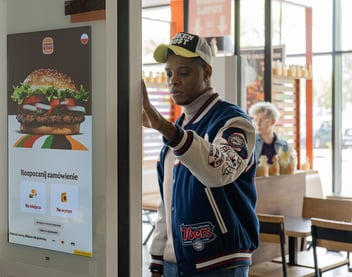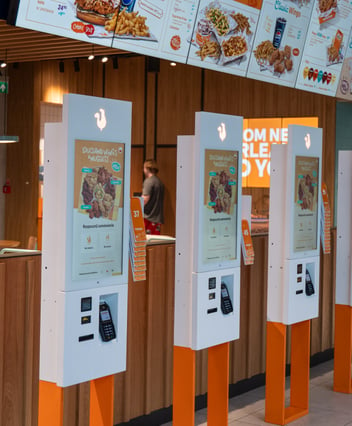

Starting a restaurant from scratch is a notoriously high-risk venture, which is why savvy entrepreneurs frequently turn to the franchise business model for a reliable, turnkey restaurant business solution. In essence, understanding the fundamental restaurant franchise definition comes down to "renting" a proven recipe for success rather than trying to reinvent the operational wheel. The food and beverage industry heavily dominates this space for a simple reason: predictability. By clearly establishing the systemized relationship between franchisor vs franchisee, brands can duplicate consumer trust on a massive scale, ensuring that guests experience the exact same quality and flavor whether they visit a location in New York, London, or Warsaw.
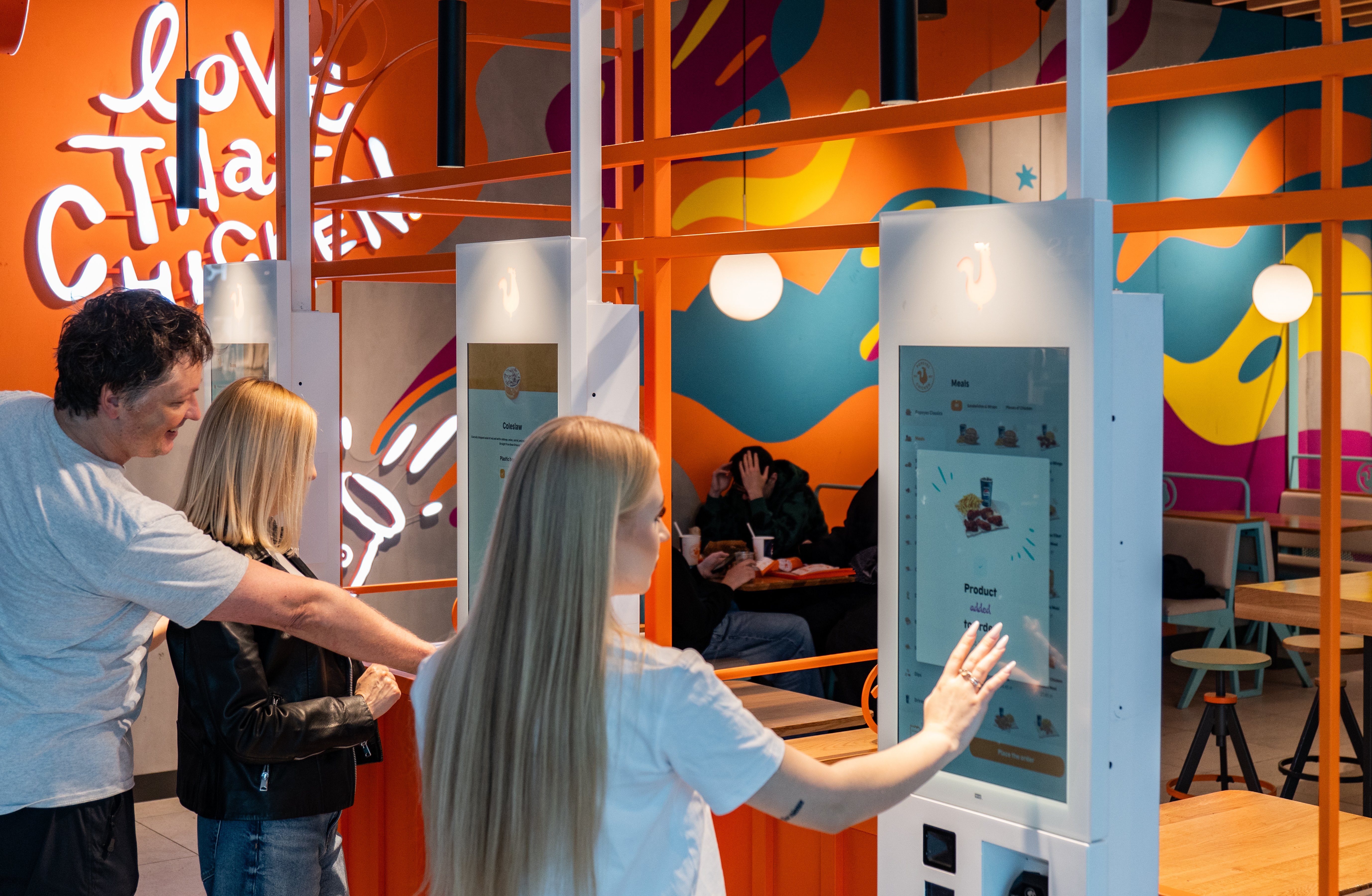
But let's be real—in 2026, managing a successful network requires far more than just a shared logo and a standardized cooking manual. Achieving true brand consistency in hospitality across hundreds or thousands of global locations now hinges entirely on your franchise tech stack. Scaling a modern brand is no longer just about real estate; it is about deploying sophisticated enterprise restaurant software driven by a robust multi-tenant POS architecture. By leveraging a centralized omnichannel ordering platform, modern franchises can seamlessly sync digital menus, kitchen workflows, and self-service kiosks from a single dashboard, transforming a loose collection of restaurants into a highly synchronized, tech-driven powerhouse.
What You Will Learn From This Article:
- The core definition and how the business model works.
- The exact roles and responsibilities of the Franchisor vs. the Franchisee.
- Why entrepreneurs choose a restaurant franchise over an independent startup.
- How central technology platforms keep a sprawling franchise network connected and consistent.
What is a Franchise?
A franchise is a commercial growth strategy where a business owner grants an independent entrepreneur the legal rights to operate a branch using their established brand, trademark, and systems.
In the food industry, the core restaurant franchise definition revolves around a turnkey restaurant business model that allows for rapid market expansion. Under a legally binding franchise agreement (preceded by a Franchise Disclosure Document / FDD), the dynamic breaks down into franchisor vs franchisee:
- The Franchisor: Provides the brand equity, operational blueprint, supply chain access, and the core franchise tech stack.
- The Franchisee: Invests the capital to open the location, manages daily operations, and pays ongoing restaurant franchise royalties (usually a percentage of gross sales) back to the corporate entity.
Ultimately, the entire franchise business model relies on maintaining absolute brand consistency in hospitality. To achieve this, modern brands use enterprise restaurant software powered by an omnichannel ordering platform and a centralized multi-tenant POS architecture. This ensures that whether a customer orders from a kiosk in New York or an app in London, the digital experience, food quality, and service remain identical.
Franchisor vs. Franchisee: Who Does What?
In a successful franchise business model, sustainable growth relies entirely on a crystal-clear division of roles within the franchisor vs franchisee dynamic. The franchisor acts as the master architect of the brand. Their primary responsibility is to develop the overarching business vision, provide a highly recognizable trademark, and establish rigorous Standard Operating Procedures (SOPs). Beyond high-level brand development, the corporate headquarters manages large-scale marketing campaigns, negotiates volume-discounted supply chain contracts, and mandates the network's IT infrastructure. By deploying a cutting-edge franchise tech stack, the franchisor equips local partners with standardized digital tools to automate sales, ensuring that operational standards remain uniform across the board.
On the other side of the spectrum is the franchisee, an independent entrepreneur who executes that proven vision on a local level. A franchisee's journey begins by investing the necessary startup capital and signing the legally binding franchise agreement. From that point forward, the local owner takes full accountability for the day-to-day operations of their specific location—handling everything from recruiting and managing local staff to maintaining service standards. To protect the collective brand equity, the franchisee must strictly adhere to the corporate blueprint without deviation. In exchange for this turnkey restaurant business blueprint and ongoing operational support, the franchisee regularly pays back a percentage of their gross revenue to corporate in the form of restaurant franchise royalties.
Why Open a Restaurant Franchise? (The Pros and Cons)
For aspiring entrepreneurs looking to break into the competitive food industry, investing in a restaurant franchise offers several undeniable advantages over launching an independent brand. The most compelling benefit is acquiring a fully functional, turnkey restaurant business that eliminates much of the trial-and-error phase traditionally associated with startups. Instead of spending years testing recipes, establishing supply chains, and building an audience from scratch, owners gain instant access to a proven franchise business model with built-in customer trust. This operational blueprint significantly lowers the risk of business failure, while corporate-backed national marketing power and rigorous initial training support ensure that the new location can hit the ground running from day one.
However, these advantages come with specific trade-offs that every investor must carefully evaluate before signing a franchise agreement. The financial barrier to entry can be steep, requiring substantial upfront capital alongside a long-term commitment to pay ongoing restaurant franchise royalties back to the corporate headquarters. Furthermore, this model demands a complete sacrifice of creative control. As a local owner, you cannot independently modify the menu, change pricing, or switch to local food suppliers overnight. The entire system strictly prioritizes network uniformity, meaning you must operate entirely within the rigid parameters set by corporate, exchanging individual creative freedom for a structured path to profitability.
The Multi-Location Nightmare: Challenges of Scaling a Franchise
The ultimate test of any restaurant franchise isn't opening the first five locations—it’s surviving the transition to fifty or five hundred. As brands expand, executing effective restaurant scaling strategies becomes less about culinary innovation and far more about rigid operational control. Without centralized systems, rapid expansion can quickly unravel a brand's reputation, exposing massive operational vulnerabilities.
When scaling a franchise network, corporate teams typically face three major roadblocks:
- The Fight for Absolute Brand Consistency: Maintaining flawless brand consistency in hospitality becomes exponentially harder with every new zip code. Ensuring that every single kitchen prepares food exactly the same way and delivers an identical guest experience requires flawless, automated oversight.
- The "Rogue Franchisee" Phenomenon: When oversight is weak, local owners might take matters into their own hands. Whether it's swapping out approved ingredients to save on costs, altering the menu layout, or unilaterally hiking up prices on third-party delivery apps, these unauthorized changes directly damage consumer trust in the entire brand.
- Legacy Tech and Price-Update Nightmares: For networks relying on fragmented, legacy enterprise restaurant software, a simple change like updating a menu item's price from $2.00 to $2.50 across all locations becomes a logistical crisis. Manually updating disconnected legacy POS systems point-by-point is slow, highly vulnerable to human error, and completely inefficient for a modern enterprise.
The Secret to Franchise Consistency: Centralized Tech Stack
To survive the logistical nightmare of rapid expansion, modern brands are abandoning fragmented, store-level IT setups in favor of a centralized franchise tech stack. The operational heart of a rapidly growing restaurant franchise is no longer found in a printed binder of kitchen guidelines, but in robust enterprise restaurant software driven by a modern multi-tenant POS architecture. This approach creates a digital ecosystem that safeguards your brand identity while streamlining corporate oversight across hundreds of locations.
Advanced platforms like Ordering Stack empower corporate teams to maintain absolute network control through three core technological pillars:
- A Single Source of Truth: Instead of chasing down local managers to update individual systems, corporate headquarters dictates operations from a single dashboard. Through a centralized omnichannel ordering platform, introducing a new promotional item or deploying an urgent price change takes seconds. The cloud architecture automatically synchronizes the updates across every front-of-house register, self-service kiosk, and third-party delivery marketplace network-wide simultaneously.
- Localized Flexibility with Strict Governance: While maintaining uniformity is a core priority, successful restaurant scaling strategies must accommodate real-world market variations. A sophisticated multi-tenant system allows the franchisor to grant controlled permissions. For instance, corporate can permit an airport or high-rent tourist location to raise its pricing tiers, while physically locking down core recipe SKUs and brand imagery so local operators cannot make unauthorized changes.
- Unified Network Analytics: Relying on individual business owners to manually report their sales figures is slow and vulnerable to errors. A centralized tech infrastructure aggregates real-time transactional data from every active terminal into a single corporate database. This crystal-clear visibility dramatically simplifies the auditing and collection of ongoing restaurant franchise royalties, tracks the exact ROI of global marketing campaigns, and flags underperforming locations instantly.
Conclusion
Ultimately, the franchise business model remains one of the most powerful engines for commercial expansion in the world—but the rules of engagement have changed. In today's digital-first hospitality landscape, a turnkey restaurant business is only as reliable as the software that connects it.
To protect your brand equity and keep your expanding network aligned, moving away from fragmented legacy software is no longer optional. By equipping your operators with a unified, enterprise-grade digital ecosystem, you ensure that no matter how large your footprint grows, your brand promise remains perfectly intact for every customer, every single time.
Frequently Asked Questions (FAQ)
What is a simple definition of a franchise?
A franchise is a commercial growth strategy where an established brand grants an independent operator the legal right to run a business using its name and systems. In the food industry, the restaurant franchise definition boils down to a franchise business model that allows an entrepreneur to replicate a successful, existing concept instead of building a brand from scratch.
What is the difference between a franchisor and a franchisee?
In the franchisor vs franchisee relationship, the roles are clearly split between brand creation and local execution:
- The Franchisor is the corporate entity that owns the trademark, operational blueprints, and proprietary technology.
- The Franchisee is the local business owner who signs the franchise agreement, invests the capital to open the branch, and manages daily operations. In exchange for ongoing corporate support, the franchisee pays regular restaurant franchise royalties back to the franchisor.
Why are franchises so popular in the restaurant industry?
The food industry relies heavily on predictability, supply chain efficiency, and immediate consumer trust—things that are incredibly difficult to build from scratch. A restaurant franchise offers investors a turnkey restaurant business with lower failure rates, while allowing parent companies to deploy aggressive restaurant scaling strategies funded by local partners rather than corporate capital.
How does a restaurant franchise maintain the same menu everywhere?
Modern brands protect brand consistency in hospitality through a centralized, cloud-based franchise tech stack. By deploying a multi-tenant POS architecture paired with an omnichannel ordering platform, corporate headquarters acts as the single source of truth. They can instantly push menu updates, pricing, and promotions to every register, self-service kiosk, and delivery app across the entire global network simultaneously.
Do I have creative control over my restaurant franchise?
Rarely. When you sign a franchise agreement, you trade creative control for a proven blueprint to profitability. Modern enterprise restaurant software allows the franchisor to lock down system configurations, preventing local operators from altering core recipes, changing ingredients, or adding unauthorized items to the menu. Network-wide uniformity is what keeps the franchise model valuable.