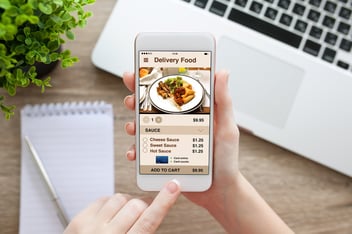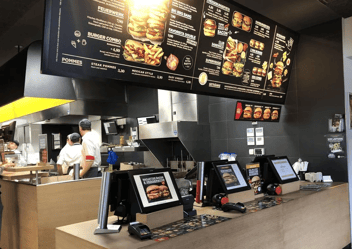

Opening an independent restaurant in today's economic climate carries significant risk, primarily driven by persistent inflation and structural labor shortages. For savvy investors and aspiring restaurateurs looking to minimize these operational hurdles, exploring restaurant franchise opportunities offers a much safer, more predictable path to long-term restaurant franchise profitability. By making a strategic food and beverage investment in a proven turnkey restaurant business, operators gain immediate access to battle-tested operational systems and national brand recognition—critical advantages that independent eateries simply cannot match in their early years.
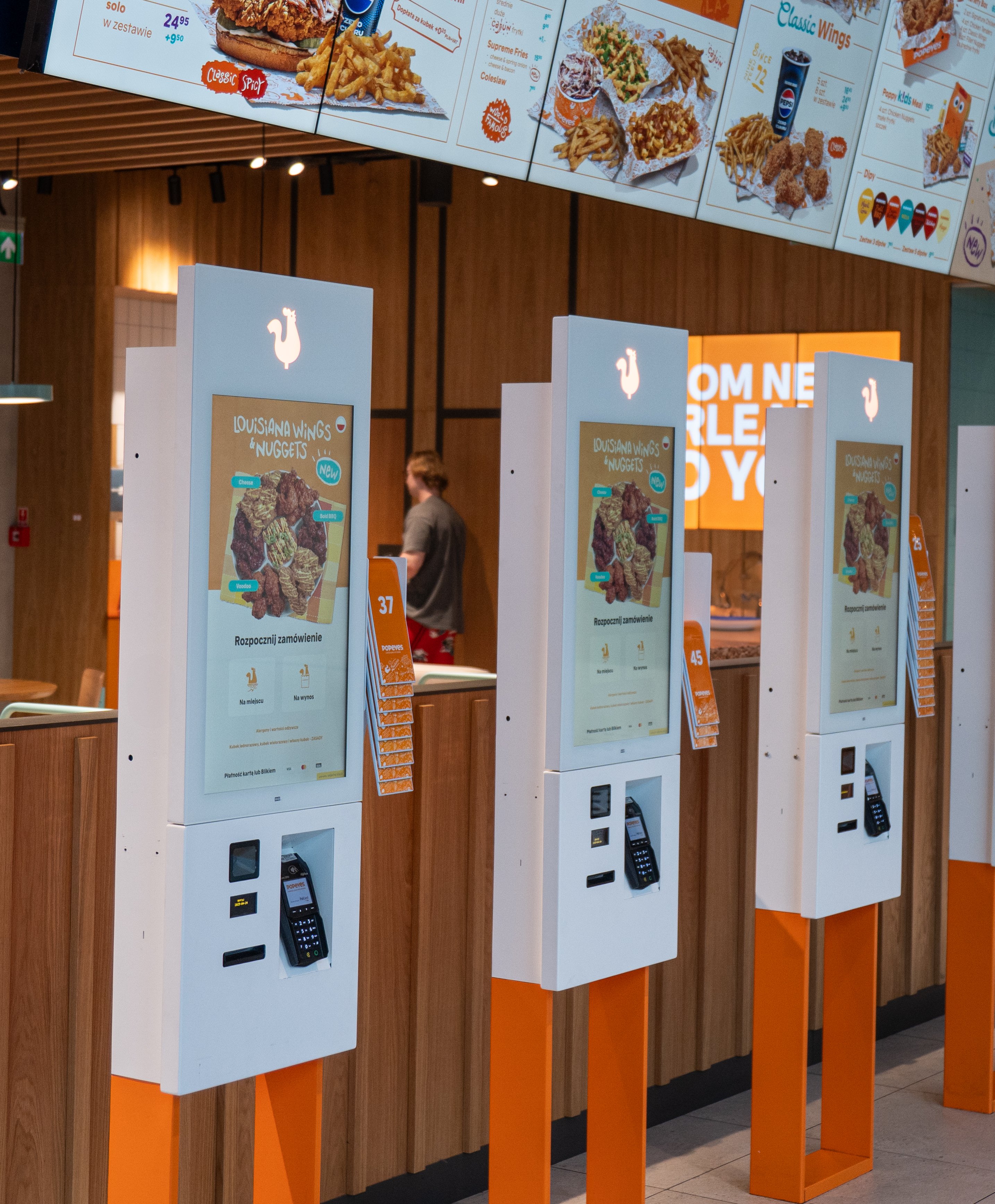
However, not all brands are created equal when evaluating the top food franchises 2026 has to offer. The most lucrative ventures are aggressively pivoting away from massive, expensive dining rooms and heavy staffing dependencies, focusing instead on high-efficiency QSR investment trends like advanced drive-thru franchise models, compact fast casual franchise footprints, or optimized ghost kitchen franchise setups. Today, any forward-thinking multi-unit franchise operator reviewing a Franchise Disclosure Document (FDD) Item 19 knows that tomorrow's success depends heavily on tech-driven automation; the highest-yielding brands are those utilizing enterprise-grade omnichannel restaurant software and integrated self-ordering kiosks franchise solutions to streamline lean kitchen teams, boost ticket sizes, and maximize profit margins.
What You Will Learn From This Article:
- The most profitable and resilient food franchise models operating in the 2026 market.
- Key financial metrics to look for when reviewing a Franchise Disclosure Document (FDD).
- How the ongoing labor shortage is dictating which franchise brands survive and thrive.
- The vital role of omnichannel ordering platforms in running a high-volume franchise location.
What are the best restaurant franchise opportunities in 2026?
The most lucrative restaurant franchise opportunities in 2026 are heavily focused on automation, convenience, and mitigating labor shortages. When analyzing the top food franchises 2026 has to offer, experienced investors look far beyond the initial fast food franchise cost or ongoing franchise royalty fees—they evaluate the concept's digital agility. Today, the most resilient investment categories include:
- Tech-Forward QSRs (Quick Service Restaurants): Driven by dominant QSR investment trends, these concepts rely heavily on a integrated self-ordering kiosks franchise setup and optimized drive-thru franchise models to minimize Front-of-House staff while drastically boosting average ticket sizes.
- Ghost Kitchens and Virtual Brands: A delivery-first ghost kitchen franchise requires minimal initial capital and lower real estate overhead, allowing a multi-unit franchise operator to scale multiple brands out of a single kitchen footprint.
- Fast-Casual Concepts: The modern fast casual franchise bridges the gap between speed and quality, utilizing smart kitchen automation to serve premium, customizable menus with a highly efficient, lean labor matrix.
When evaluating a turnkey restaurant business through its Franchise Disclosure Document (FDD) Item 19, the ultimate predictor of restaurant franchise profitability is no longer the menu alone—it is the underlying technology. The safest food and beverage investment options in 2026 are brands powered by enterprise-grade omnichannel restaurant software that seamlessly synchronizes kiosks, mobile apps, and third-party delivery channels into a single, automated kitchen workflow.
The Top Restaurant Franchise Models for 2026
Aligning perfectly with current QSR investment trends, the "Drive-Thru Only" model sees brands scaling down their physical footprint to under 1,000 square feet, completely eliminating indoor dining rooms. By focusing entirely on digital lanes and rapid curbside pickup, these optimized drive-thru franchise models dramatically lower the initial fast food franchise cost and ongoing real estate overhead. For an investor looking to maximize transaction volume with a skeletal crew, this high-velocity setup is proving to be a powerhouse for long-term restaurant franchise profitability.
For those seeking the lowest barrier to entry, a delivery-first ghost kitchen franchise represents an incredibly agile food and beverage investment. This model allows a multi-unit franchise operator to license a virtual brand and cook out of an existing kitchen asset or a shared commercial space, capitalizing directly on the massive demand from delivery app users. Without the burden of traditional front-of-house management, operators can quickly launch a highly scalable, turnkey restaurant business that keeps operational expenses low and optimizes the value of their franchise royalty fees.
Lastly, the automated fast casual franchise is redefining the modern dine-in experience by making the guest journey almost entirely digital. From placing orders via a premium self-ordering kiosks franchise system to picking up fresh meals directly from integrated smart lockers, these concepts eliminate friction and drastically reduce front-of-house labor dependencies. Driven by centralized omnichannel restaurant software, this model ensures a synchronized order flow across all channels, making it one of the most resilient and forward-thinking restaurant franchise opportunities on the market today.
How to Evaluate Restaurant Franchise Opportunities
When evaluating the most promising restaurant franchise opportunities, you must look far beyond flashy gross sales figures and closely analyze the underlying unit economics. A deep dive into the Franchise disclosure document (FDD) Item 19 is essential for understanding true restaurant franchise profitability, allowing a savvy multi-unit franchise operator to evaluate:
- Actual EBITDA margins rather than just top-line revenue.
- How ongoing franchise royalty fees will impact the bottom line.
- The historical performance and realistic payback period of the turnkey restaurant business.
Protecting your food and beverage investment from market volatility also requires a thorough assessment of the brand's supply chain resiliency. Whether you are investing in a sprawling fast casual franchise or a lean ghost kitchen franchise, you need to ensure the franchisor has the scale and purchasing power to shield operators from sudden ingredient price spikes by providing:
- Master distribution agreements that secure stable, volume-based pricing.
- Redundant logistics networks to prevent localized inventory shortages.
- Menu engineering strategies that keep food costs predictable during inflationary waves.
Finally, before committing to the initial fast food franchise cost, you must scrutinize the franchisor’s mandatory technology infrastructure. The top food franchises 2026 has to offer have completely abandoned rigid, legacy POS setups, meaning investors looking to capitalize on current QSR investment trends should look for a tech stack that natively features:
- Cloud-based omnichannel restaurant software that unifies all digital and physical sales channels.
- Out-of-the-box support for a high-converting self-ordering kiosks franchise setup.
- Seamless data synchronization with automated, high-volume drive-thru franchise models.
The Labor Shortage Factor: Why Tech-First Franchises Win
The single biggest threat to restaurant margins in 2026 is the relentless rising cost and scarcity of labor. Traditional, dine-in brands require massive Front-of-House teams to handle basic hospitality, making them a increasingly risky food and beverage investment in today’s economic climate. In contrast, modern restaurant franchise opportunities solve this structural crisis by offloading the ordering process entirely to the guest via self-service technology. By capitalizing on progressive QSR investment trends, a forward-thinking fast casual franchise can easily deploy a high-converting self-ordering kiosks franchise system, shifting human staff away from mundane order-taking and redirecting them toward high-quality food preparation and order fulfillment.
Brands that mandate the use of centralized digital ordering channels boast significantly higher restaurant franchise profitability and noticeably lower employee turnover rates. When an experienced multi-unit franchise operator reviews a Franchise disclosure document (FDD) Item 19 for the top food franchises 2026 has lined up, the data clearly shows that tech-first models outperform legacy systems. Relying on advanced, enterprise-grade omnichannel restaurant software to handle everything from high-volume drive-thru franchise models to a delivery-only ghost kitchen franchise reduces the workplace friction that typically triggers employee burnout. Ultimately, backing a turnkey restaurant business that weaponizes automation against the labor crunch ensures your franchise royalty fees are contributing to a highly efficient, resilient machine built for the future
Maximizing Franchise Profitability with Ordering Stack
Operating a modern franchise in 2026 requires managing a chaotic mix of in-store kiosks, native mobile apps, and third-party delivery services like UberEats and DoorDash. For a forward-thinking multi-unit franchise operator, keeping these fragmented digital channels synchronized can quickly become an operational nightmare that erodes restaurant franchise profitability. This is exactly where Ordering Stack steps in as the ultimate enterprise-grade omnichannel restaurant software engine. By consolidating all digital orders into a single, unified workflow and pushing them directly to the Kitchen Display System (KDS), it transforms complex operational bottlenecks into a streamlined, high-efficiency revenue driver.
By integrating Ordering Stack into your turnkey restaurant business, you unlock powerful automation tools designed to protect your margins:
- Real-Time Inventory Synchronization: Seamlessly align local, store-level stock with the franchisor's central menu system, instantly eliminating frustrated customers and accidental out-of-stock orders.
- Dynamic Third-Party Pricing: Implement automated pricing rules specifically for delivery apps to easily offset steep marketplace commission fees without hurting in-store value.
- Drastic Labor Reduction: Offload front-of-house friction entirely to technology, allowing you to run your dining rooms, drive-thru franchise models, or a lean ghost kitchen franchise with a significantly smaller, highly optimized staff.
Whether you are expanding a high-volume fast casual franchise or evaluating the upfront fast food franchise cost of a new brand, the tech stack you choose ultimately dictates your return on investment. The top food franchises 2026 has to offer succeed because they don't just sell a menu—they provide a bulletproof digital infrastructure. By anchoring your operational strategy with Ordering Stack, you ensure that every digital touchpoint, from a native self-ordering kiosks franchise platform to mobile order-and-pay, works cohesively to maximize the yield on your food and beverage investment.
Conclusion
Investing in the restaurant industry doesn't have to feel like a high-stakes gamble against inflation and labor shortages. The top food franchises 2026 has brought to the forefront prove that long-term restaurant franchise profitability relies less on a secret recipe and far more on a bulletproof digital infrastructure. As you review your next Franchise disclosure document (FDD) Item 19 and weigh the initial fast food franchise cost against ongoing franchise royalty fees, look closely at the technology driving the brand. By ensuring your next turnkey restaurant business is powered by an enterprise-grade omnichannel restaurant software engine like Ordering Stack, you can confidently scale your operations, easily manage everything from self-ordering kiosks franchise setups to lean ghost kitchen franchise models, and transform your food and beverage investment into a resilient, future-proof success.
FAQ
What is the most profitable restaurant franchise to own?
There is no single "one-size-fits-all" answer, but in 2026, the highest restaurant franchise profitability belongs to brands that have aggressively optimized their labor models and physical footprints. Currently, leading concepts within QSR investment trends—specifically those anchored by high-volume drive-thru franchise models or highly efficient fast casual franchise setups—generate the strongest returns. Brands that consistently top the lists of the top food franchises 2026 has to offer succeed because they combine massive brand equity with automated back-of-house operations, protecting owner margins from localized inflation.
How much does it cost to open a fast-food franchise?
The total upfront fast food franchise cost varies wildly depending on real estate, construction, and equipment requirements. Generally, a traditional brick-and-mortar quick-service restaurant requires a total food and beverage investment ranging anywhere from $1 million to upwards of $2.5 million. However, newer restaurant franchise opportunities that bypass massive dining rooms can be launched for a fraction of that cost. Beyond the initial capital required to open your turnkey restaurant business, operators must also factor in ongoing monthly expenses, including franchise royalty fees, which typically hover between 4% and 6% of gross sales.
Are ghost kitchen franchises a good investment?
A ghost kitchen franchise can be an exceptionally high-yield asset, particularly for a seasoned multi-unit franchise operator looking to scale multiple brands quickly without exponential overhead. Because this delivery-first model requires minimal real estate and completely eliminates front-of-house staffing liabilities, it offers a remarkably fast path to profitability. The catch? Success hinges entirely on technology. To make this model work, you must choose a brand backed by enterprise-grade omnichannel restaurant software that can instantly consolidate orders from various third-party apps into a single, seamless kitchen workflow.
What should I look for in a Franchise Disclosure Document (FDD)?
When vetting any brand, the absolute holy grail of your investigation is the Franchise disclosure document (FDD) Item 19. This is where the franchisor outlines historical financial performance representations. Do not just look at flashy gross sales averages; instead, dig deep into the net EBITDA margins and store-level operating costs. Pay close attention to how supply chain logistics impact the cost of goods sold, and carefully analyze Items 5 and 6 to calculate exactly how upfront development fees and recurring franchise royalty fees will affect your ultimate payback period.
Why is technology important when choosing a restaurant franchise?
In 2026, a brand’s digital infrastructure is the single most critical factor in your long-term success. A franchisor trapped in a legacy POS ecosystem is essentially handcuffing your profit margins. The most lucrative restaurant franchise opportunities available today are those providing a cutting-edge tech stack that natively supports a high-converting self-ordering kiosks franchise platform, mobile app integrations, and smart drive-thru lanes. This automation is no longer a luxury—it is a baseline operational necessity that allows you to confidently fight the labor shortage, increase average order values, and run an incredibly lean, efficient kitchen.