
"Would you like fries with that?". Beyond the classic fast-food cliché, this question represents the foundation of cross selling in a restaurant—a powerful restaurant sales strategy focused on suggesting complementary products that naturally enhance a guest's main selection. While upselling upgrades an existing item to a larger or premium version (up selling vs cross selling), cross-selling introduces entirely separate additions like sides, drinks, or desserts. When done right, this technique acts as a win-win: it directly drives revenue optimization by boosting your Average Order Value (AOV), while simultaneously elevating the customer experience (CX) by helping guests effortlessly build a more complete, satisfying meal.
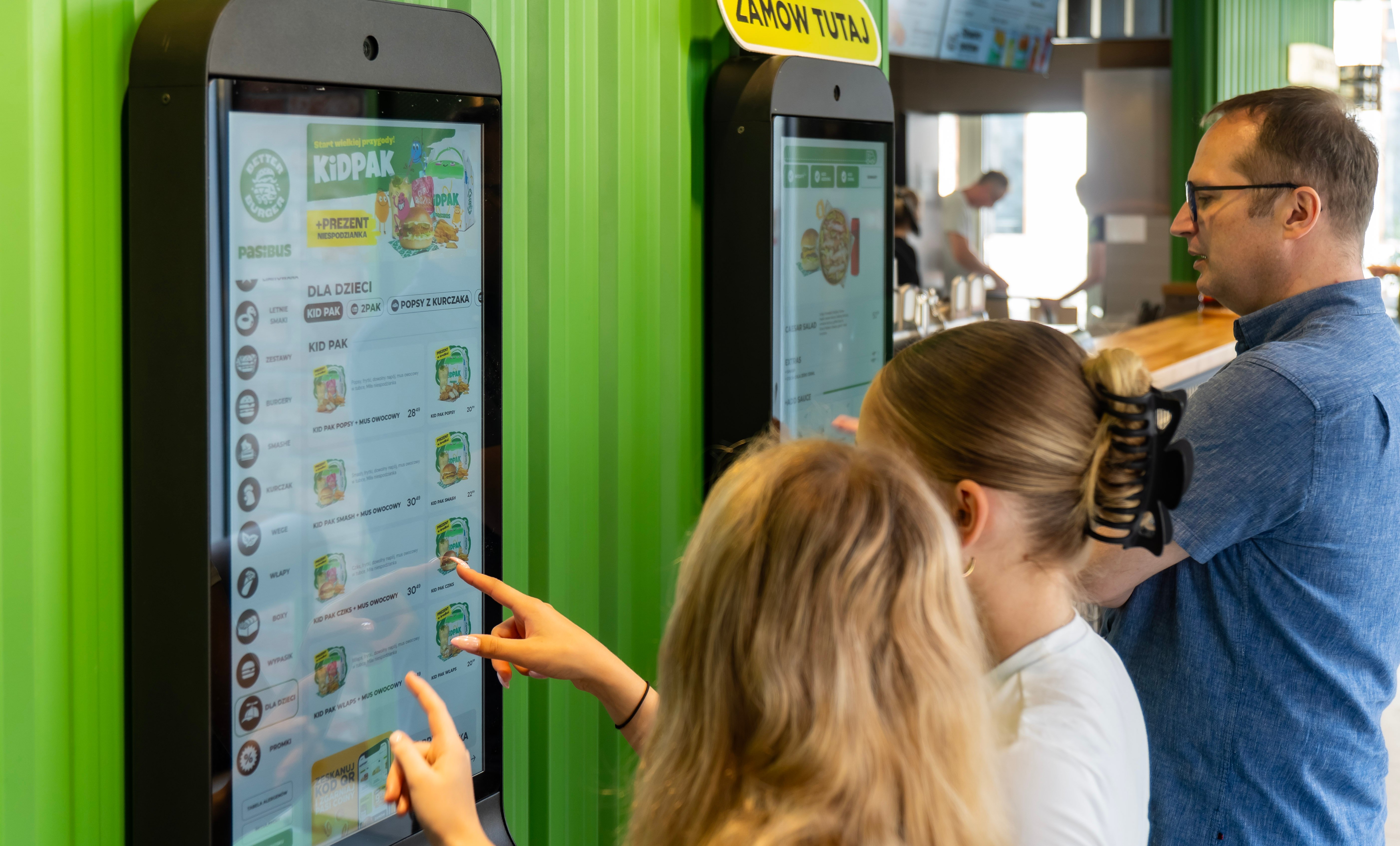
However, relying solely on busy front-of-house staff to memorize and execute these suggestive selling techniques is no longer enough to increase restaurant profits. Modern food service marketing relies on data-driven automation, smart menu engineering, and strategic product bundling. By leveraging an advanced digital ordering platform, restaurants can seamlessly integrate automated self-service kiosk upsells and responsive online menus. This ensures that the perfect complementary item is consistently presented at the exact right moment of the ordering journey, maximizing efficiency and sales 100% of the time without any manual effort.
What You Will Learn From This Article:
- Understanding cross selling vs. up selling.
- Why customers are more likely to buy "the extra" during the ordering process.
- How cross selling in restaurants works on kiosks, mobile apps, and websites.
- How to choose the right complementary products for your menu.
Quick Answer: What is Cross-Selling in a Restaurant?
If you're wondering what is cross selling, it is a strategic sales technique where customers are encouraged to purchase additional, complementary products that naturally pair with their main order (such as suggesting fries and a drink with a burger).
Implementing a cross selling restaurant model is a core pillar of modern food service marketing, though it is frequently confused with upselling. Understanding up selling vs cross selling is essential for a high-performing restaurant sales strategy:
- Cross-Selling: Focuses on adding supplementary items to the cart, increasing the total item count (e.g., adding a side salad to a steak).
- Up-Selling: Focuses on upgrading a main product to a more premium, expensive version, increasing the individual item value (e.g., upgrading a 6 oz steak to an 8 oz steak).
In 2026, the most effective suggestive selling techniques have shifted away from manual staff prompts to automated digital channels. By integrating data-driven menu engineering and algorithmic product bundling into your digital ordering platform—including mobile apps, QR codes, and self-service kiosk upsells—recommendations are delivered consistently and seamlessly to every guest.
This automated approach drives true revenue optimization, proven to increase the Average Order Value (AOV) by 15% to 30%. Ultimately, it allows businesses to dramatically increase restaurant profits and improve the customer experience (CX), all without placing any extra operational pressure on busy front-of-house staff.
Cross-Selling vs. Up-Selling: What’s the Difference?
In the fast-paced world of food service marketing, the terms "upselling" and "cross-selling" are frequently tossed around interchangeably. Many restaurateurs assume they are just different names for the same exact goal: getting a guest to spend more money.
While both are essential suggestive selling techniques designed to boost your Average Order Value (AOV), they approach the customer's cart from completely different angles. Understanding the distinct nuance of up selling vs cross selling is the first step toward building a high-performing menu structure.
Let’s break them down once and for all:
- Up-Selling (Upgrading the Choice): This technique encourages a customer to purchase a more premium, larger, or higher-quality version of the item they have already decided to buy. You aren't adding a new category to their tray; you are simply increasing the value of their current choice.
- Examples: Upgrading from a medium fry to a large, adding an extra espresso shot to a latte, or offering double bacon on a standard burger.
- Cross-Selling (Expanding the Meal): This technique invites the customer to buy additional, complementary products that naturally fit with their main selection. Instead of making one item bigger, you are introducing new, separate items that complete the dining experience.
- Examples: Suggesting a side of garlic dipping sauce for a pizza, pairing a craft beer with a burger, or offering a warm brownie to wrap up the meal.
The Synergy: Combining Both for Maximum ROI
The real magic happens when you stop viewing this as an "either/or" choice. In a modern restaurant sales strategy, the most successful operators seamlessly integrate both techniques into a single ordering journey.
Imagine a guest ordering a burger through your digital ordering platform. First, the system utilizes smart menu engineering to prompt a quick upsell: "Would you like to make that a double patty for just $2 more?" Once the guest accepts or declines, a cross-sell instantly follows: "Great choice! Want to add our signature sweet potato fries and a cold drink to complete your meal?" By blending both methods dynamically, you create a cohesive, personalized path that doesn't feel pushy. It simply guides the guest toward a better, more satisfying meal while driving total revenue optimization and helping you consistently increase restaurant profits.
The Power of Cross-Selling in a Restaurant Environment
Implementing a structured cross selling restaurant strategy is about far more than just nudging a guest to spend a little extra. When executed correctly, it fundamentally transforms both the operational efficiency and the financial health of your business.
Here is why mastering this restaurant sales strategy is an absolute game-changer for modern operators:
1. Exponential Growth in Average Order Value (AOV)
Never underestimate the power of micro-transactions. A $1.00 signature dipping sauce, a $2.50 premium side, or a $3.50 craft soda might seem insignificant on a single receipt. However, when scaled across thousands of orders a week, these minor additions compound into massive increases in net profit. Because your fixed overhead costs—like marketing, rent, and labor—are already covered by the main order, the revenue generated from cross-selling carries exceptionally high margins, serving as a direct shortcut to revenue optimization.
2. Elevating the Customer Experience (CX)
When suggestive selling techniques are highly relevant and contextual, they don't feel like a pushy sales pitch—they feel like premium hospitality.
- The Perfect Pairing: Suggesting a specific craft beer to cut through the richness of a smash burger, or recommending a tailored wine pairing for a premium steak, shows culinary expertise.
- The Curated Meal: It makes the guest feel genuinely looked after, ensuring they enjoy a complete, harmonious dining experience rather than leaving they feeling like they missed out on a crucial side or sauce.
3. Frictionless Inventory Management
Cross-selling is a highly effective, yet frequently underutilized tool for supply chain and kitchen efficiency. If your walk-in cooler has a surplus of a highly perishable ingredient—such as an abundance of fresh avocados or a specific seasonal dessert—smart menu engineering allows you to dynamically push them. By automatically prompting guests to add guacamole to their artisan bowls or a slice of pie to their coffee orders, you can strategically clear out inventory, drastically reduce food waste, and increase restaurant profits all at once.
Effective cross-selling bridges the gap between what your kitchen needs to move and what your customer loves to eat, effortlessly turning standard receipts into high-margin, memorable meals.
Why Digital Cross-Selling is More Effective Than Human Interaction
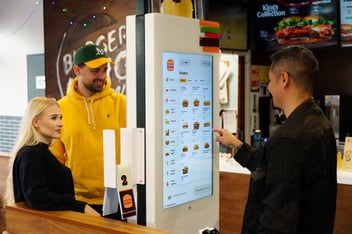
Relying on front-of-house staff to execute suggestive selling techniques is inherently flawed; servers get tired during long shifts, lines grow during peak hours, and prompts easily get forgotten. An advanced digital ordering platform, however, never has a bad day or skips a beat. Whether it is an online menu, a mobile app, or a self-service kiosk upsells system, digital channels consistently present the perfect add-on 100% of the time, to every single guest. This mechanical reliability is supercharged by undeniable visual appeal. A high-resolution, appetizing photograph of a warm, melting chocolate lava cake or a vibrant seasonal cocktail displayed right before checkout triggers a powerful psychological craving that an oral suggestion from a busy cashier simply cannot replicate.
Beyond consistency, digital interactions fundamentally alter consumer behavior by eliminating social friction and time anxiety. When standing face-to-face with an employee, guests often feel rushed by the line forming behind them, causing them to default to hasty, basic choices. In front of a screen, that pressure completely evaporates, granting customers the freedom to casually browse curated product bundling options and comfortably customize their meals at their own pace. This relaxed, self-guided environment significantly elevates the overall customer experience (CX), making diners far more receptive to explore recommendations and add extra items to their carts—ultimately allowing operators to effortlessly increase restaurant profits with every transaction.
Implementing Cross-Selling with Ordering Stack
To turn cross-selling theory into a highly profitable reality, you need more than just a basic digital menu; you need a powerful, centralized digital ecosystem. This is where Ordering Stack steps in, serving as the robust technology engine that completely automates your restaurant's upselling and cross-selling workflows.
Here is how the Ordering Stack platform transforms your digital touchpoints into hyper-efficient, revenue-generating machines:
The Real-Time Recommendation Engine
At the core of Ordering Stack is an intelligent, lightning-fast engine designed for revenue optimization. The moment a guest adds an item to their cart, the platform analyzes the basket contents in milliseconds. Instead of displaying generic, random suggestions, it instantly calculates and presents the most relevant, high-margin complementary products tailored to that exact order. If a guest selects a spicy chicken sandwich, the system automatically knows to showcase a cooling milkshake or a specific dipping sauce right before checkout.
Flawless Omnichannel Consistency
One of the biggest challenges for modern restaurant chains is maintaining a unified experience across different sales channels. Ordering Stack solves this by centralizing your digital ecosystem. Whether a guest is standing in your lobby using a self-service kiosk, browsing your website from their office desk, or ordering via a mobile app on their couch, they encounter the exact same smart product bundling logic. This seamless, omnichannel consistency ensures your brand's menu engineering strategy is executed perfectly everywhere, safeguarding your margins regardless of how the customer chooses to order.
Smart, Data-Driven Rules
With Ordering Stack, you are in complete control of your sales logic. The platform allows operators to easily configure highly specific, conditional rules based on real-time kitchen and inventory data.
- Custom Triggers: You can easily set rules like: "If a guest orders a large Pizza, automatically prompt them to add garlic sauce and a 0.5L beverage."
- Continuous Optimization: The platform tracks user behavior and conversion rates, allowing you to see exactly which combinations perform best. This continuous stream of insights helps you fine-tune your food service marketing campaigns, maximize your Average Order Value (AOV), and ultimately increase restaurant profits with zero guesswork.
Ready to Automate Your Growth? By putting your cross-selling on autopilot with Ordering Stack, you ensure that no sales opportunity is ever missed, delivering a seamless customer experience (CX) that keeps diners coming back for more.
Best Practices for Successful Cross-Selling
To ensure your digital cross-selling drives revenue without frustrating your guests, follow these three golden rules of modern menu engineering:
- Keep it Relevant: A cross-sell must make culinary sense. Offering an espresso to go with a craft beer will only confuse the guest. Stick to complementary products that naturally enhance the specific meal they are building.
- Don't Overwhelm: Bombarding a user with endless pop-ups creates decision fatigue and ruins the customer experience (CX). Keep your digital touchpoints clean and focused by suggesting only the 2–3 best-matching options.
- The "Bundle" Strategy: Turning individual items into combo deals (e.g., main + side + drink) is the most effective form of product bundling. It feels less like a sales pitch and more like a convenient value-add for the diner.
Conclusion
Mastering cross selling in a restaurant environment is no longer about hoping your staff remembers to pitch an extra side. In 2026, sustainable growth relies on data, timing, and automation. By putting smart, tailored suggestions directly into your digital checkout flow, you can effortlessly boost your Average Order Value (AOV) and increase restaurant profits—all while giving your guests total control over their dining journey.
Ready to Transform Your Menu into a Sales Engine?
Don't leave extra revenue on the table. Let Ordering Stack handle the heavy lifting with an advanced, omnichannel digital ordering platform designed to automate your growth.
Contact our team today for a personalized demo, and let's start optimizing every single order!
FAQ: Frequently Asked Questions
What is a simple example of cross selling in a restaurant?
The most famous example is the classic phrase, "Would you like fries with that?" In a modern cross selling restaurant setup, a simple example would be a digital ordering platform prompting a guest to add a signature garlic dipping sauce to their pizza, a refreshing craft beer to their burger, or a warm pastry to their morning espresso order. It is all about adding a complementary product that enhances the main dish.
Which is more important: up selling or cross selling?
Neither is more important than the other; rather, they are two halves of a complete revenue optimization strategy.
- Upselling is highly effective at increasing the profit margin on a single item the customer already wants (e.g., upgrading a 6 oz steak to an 8 oz cut).
- Cross-selling is vital for expanding the overall basket size and moving inventory across different categories (e.g., adding a side salad to that steak).
The most successful restaurants don't choose between up selling vs cross selling—they combine both in the same ordering journey to maximize their Average Order Value (AOV).
How can technology help with cross selling in a restaurant?
Technology removes the element of human error, fatigue, and inconsistency. Front-of-house staff might forget to offer add-ons during a busy rush, but software like Ordering Stack never misses an opportunity. A robust digital ordering platform utilizes algorithmic menu engineering to automatically analyze what is in a guest's cart and display the most relevant product bundling options in milliseconds. Furthermore, digital screens (like self-service kiosk upsells) leverage high-quality visuals that trigger sensory cravings far better than spoken words alone.
Can cross selling be annoying for customers?
Yes, but only if it is irrelevant or overly aggressive. Pushing too many random items (like suggesting a chocolate donut to go with a savory pasta) or cluttering the screen with endless pop-ups creates decision fatigue and ruins the customer experience (CX). However, when cross-selling is kept subtle, restricted to 2–3 highly relevant options, and presented on a digital screen with zero social pressure, guests actually perceive it as helpful hospitality that ensures they don't miss out on a complete, satisfying meal.